Ghana: 100 million tonnes of bauxite entrusted to Rusal, which will retain majority stake in joint ventures
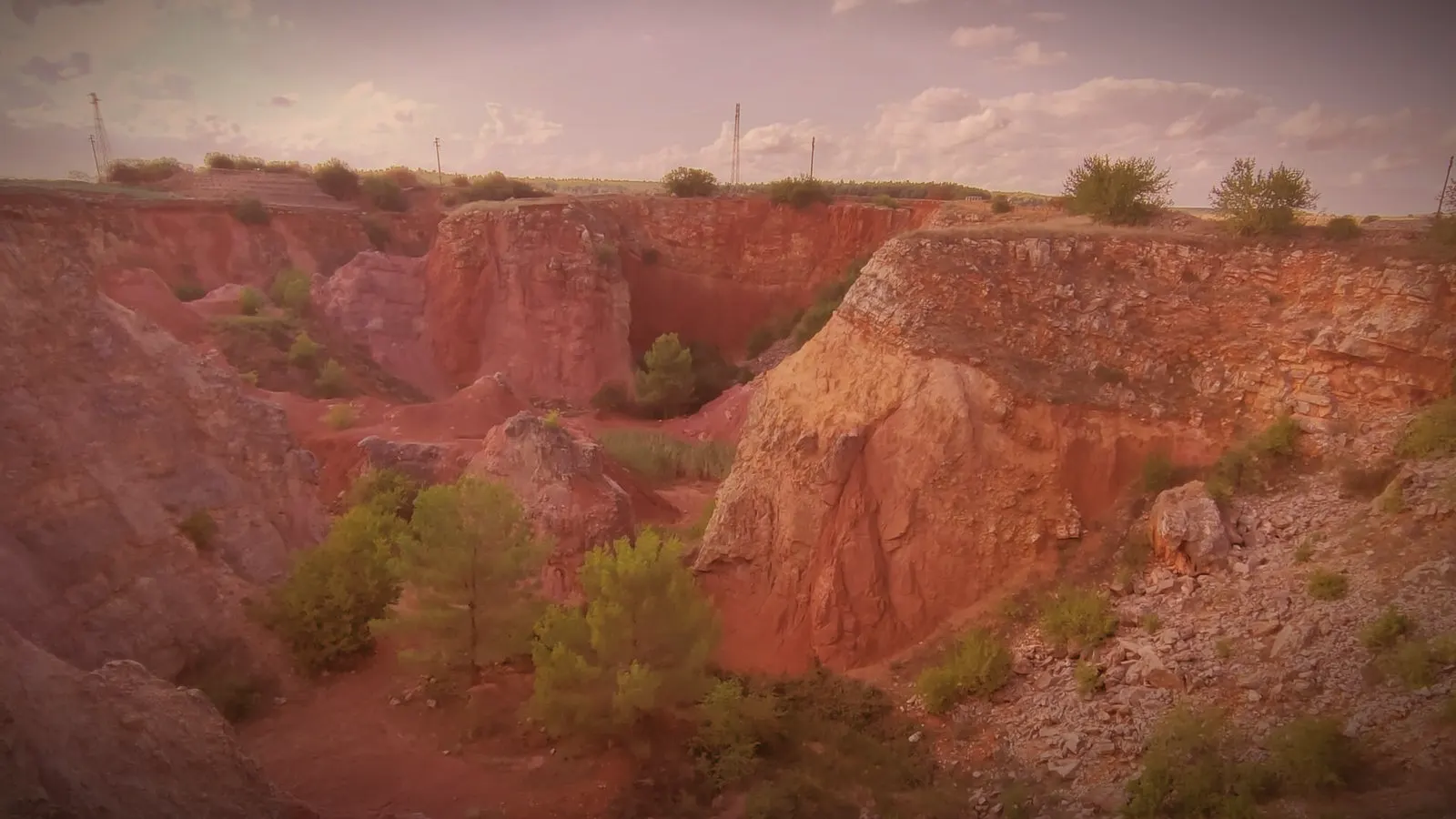
The Russian group Rusal, one of the world's leading aluminum producers, signed an agreement with Ghana on October 29, 2026, to exploit a bauxite deposit of more than 100 million tonnes, reports Africanews, citing the company's press release.
The project concerns the Nyinahin deposit in the Ashanti region, in the southwest of the country. It includes a mine with a capacity of up to five million tonnes per year, and then, in a second phase, an alumina refinery with an annual capacity of 1.2 million tonnes. Two joint ventures have been created with the Ghana Integrated Aluminium Development Corporation (GIADEC): Nyinahin Bauxite and Ghana Alumina Company.
Processing locally, but for whom?
Bauxite is the base ore for aluminum. For decades, Africa has exported it raw and bought back the processed metal from elsewhere: an alumina refinery built on Ghanaian soil is therefore, in itself, a real step forward for local value addition and industrial employment.
But Rusal's press release specifies a point that deserves to be read carefully: the Russian group will receive a majority stake in each of the two joint ventures. The factory would be in Ghana; the decision-making and the bulk of the profit, in Moscow. This is the question that all major mining contracts on the continent have raised since independence: who processes, and who cashes in?
A rapprochement that goes beyond bauxite
The agreement was signed in the wake of the Russia-Africa summit in Moscow. Ghanaian President John Dramani Mahama was received for a bilateral meeting by Vladimir Putin the day after the summit. Before the delegations, Mahama advocated for a diversified energy mix to secure the Ghanaian power grid.
According to Ghanaian media cited by Africanews, Accra has also initiated discussions with Rosatom, the Russian state nuclear corporation, regarding the country's first nuclear power plant. No site, capacity, timeline, or amount has been made public: at this stage, these are discussions, not a contract.
Ghana, already a major exporter of gold, cocoa, and oil, announced in October 2026 that it would formally submit an application to the BRICS. Foreign Minister Samuel Okudzeto Ablakwa stated on October 28, 2026, that Russia strongly supported this request.
Accra is therefore diversifying its partners, which is a sovereign freedom. It remains to be seen whether this diversification will translate into better terms for Ghanaians than the agreements made with Western partners. The answer will be read in the shares held, the jobs created, and the tax revenues, not in the press releases.
This article was written in French with the help of artificial intelligence from the sources cited below, then translated from French automatically. Read the original.