Liberia: Switzerland finalizes 20-year prison sentence for Alieu Kosiah
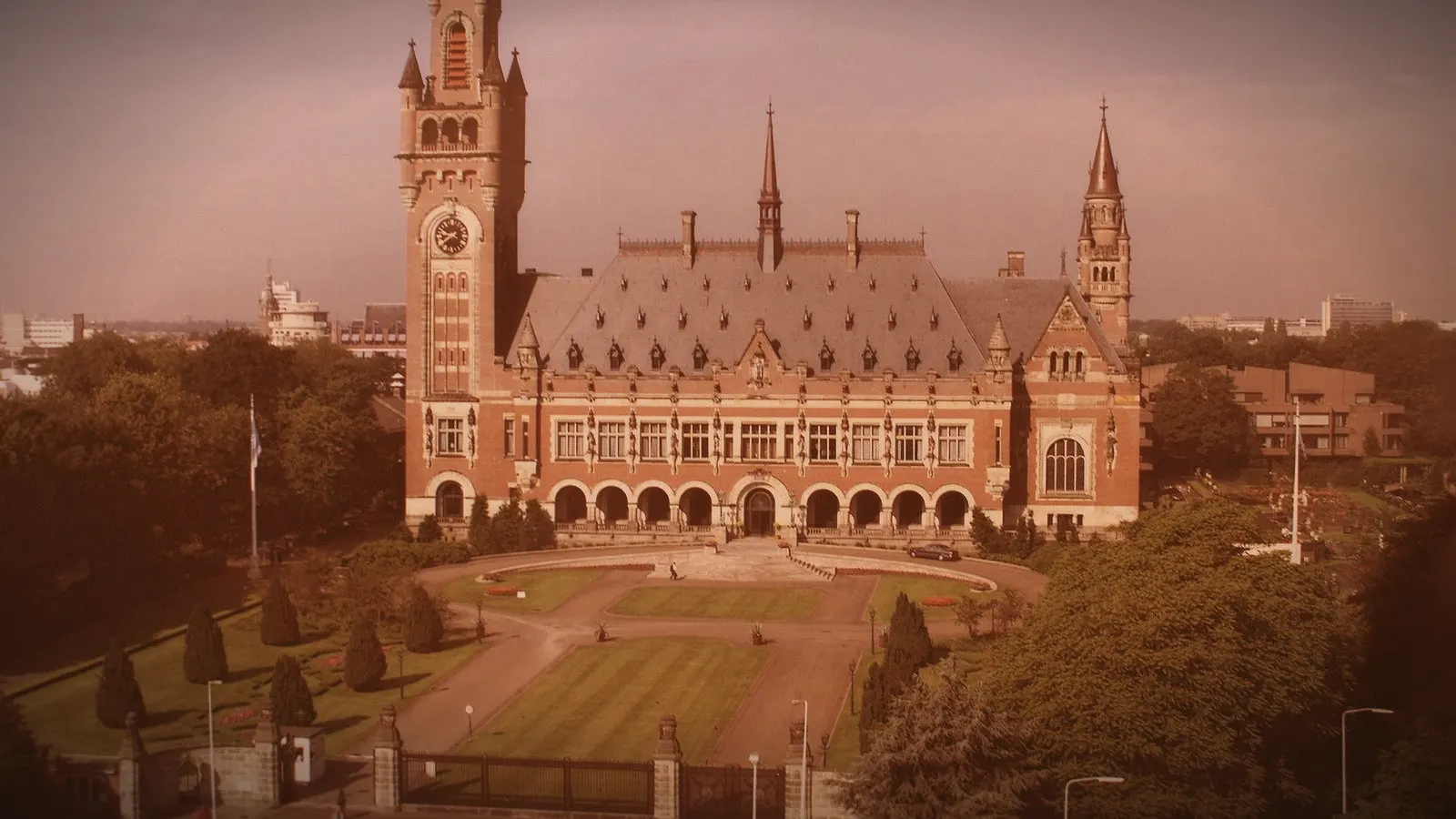
The Swiss Federal Supreme Court has upheld the 20-year prison sentence handed down to former Liberian rebel commander Alieu Kosiah, in a ruling dated September 28, 2026, and made public on October 30, 2026. The same decision, however, acquitted him of the charge of crimes against humanity, reports Al Jazeera, citing the court's statement.
For the Swiss NGO Civitas Maxima, which represents the victims, this ruling finalizes the first conviction for war crimes ever handed down by a Swiss civil court, and the first conviction in the world of a Liberian for crimes committed during his country's civil wars.
Kosiah, now 51, commanded the United Liberation Movement of Liberia for Democracy (ULIMO). Having settled in Switzerland in the late 1990s, he was arrested there in 2014 and subsequently convicted in 2021 by the Federal Criminal Court. According to that judgment, he ordered or participated in the murder of 17 civilians and two disarmed soldiers, committed rape, used a child soldier, and ordered looting.
Why the acquittal on crimes against humanity
In 2023, the appeals chamber had upheld the 20-year sentence and added, for the first time in Swiss history, a conviction for crimes against humanity. The Federal Supreme Court set this aside in the name of a strict application of non-retroactivity: this offense was only introduced into Swiss law in 2011 and therefore cannot apply to acts committed between 1993 and 1995, during the first Liberian civil war.
The distinction is not merely technical for the families: crimes against humanity target atrocities committed in a widespread or systematic manner, rather than isolated acts. Alain Werner, director of Civitas Maxima, welcomed a "final justice" for the survivors, while stating he was "deeply disappointed" by the acquittal, in remarks cited by Al Jazeera: he believes that what happened in Lofa County between 1993 and 1995 corresponds to the very definition of a crime against humanity.
Justice served in Europe, thirty years later
This trial was made possible because Switzerland recognizes universal jurisdiction, which allows for the prosecution of individuals suspected of international crimes regardless of where the acts took place. The Liberian civil wars claimed approximately 250,000 lives between 1989 and 2003.
A question remains that this ruling poses more than it resolves: thirty years after the events, it is a European court that has delivered justice for Liberian victims. According to Civitas Maxima, no other court in the world had yet convicted a Liberian for these wars. The memory and reparation of these crimes remain, for the most part, an unfinished task.
This article was written in French with the help of artificial intelligence from the sources cited below, then translated from French automatically. Read the original.