Ghana: Morocco's Attijariwafa bank acquires 55.22% of Société Générale Ghana
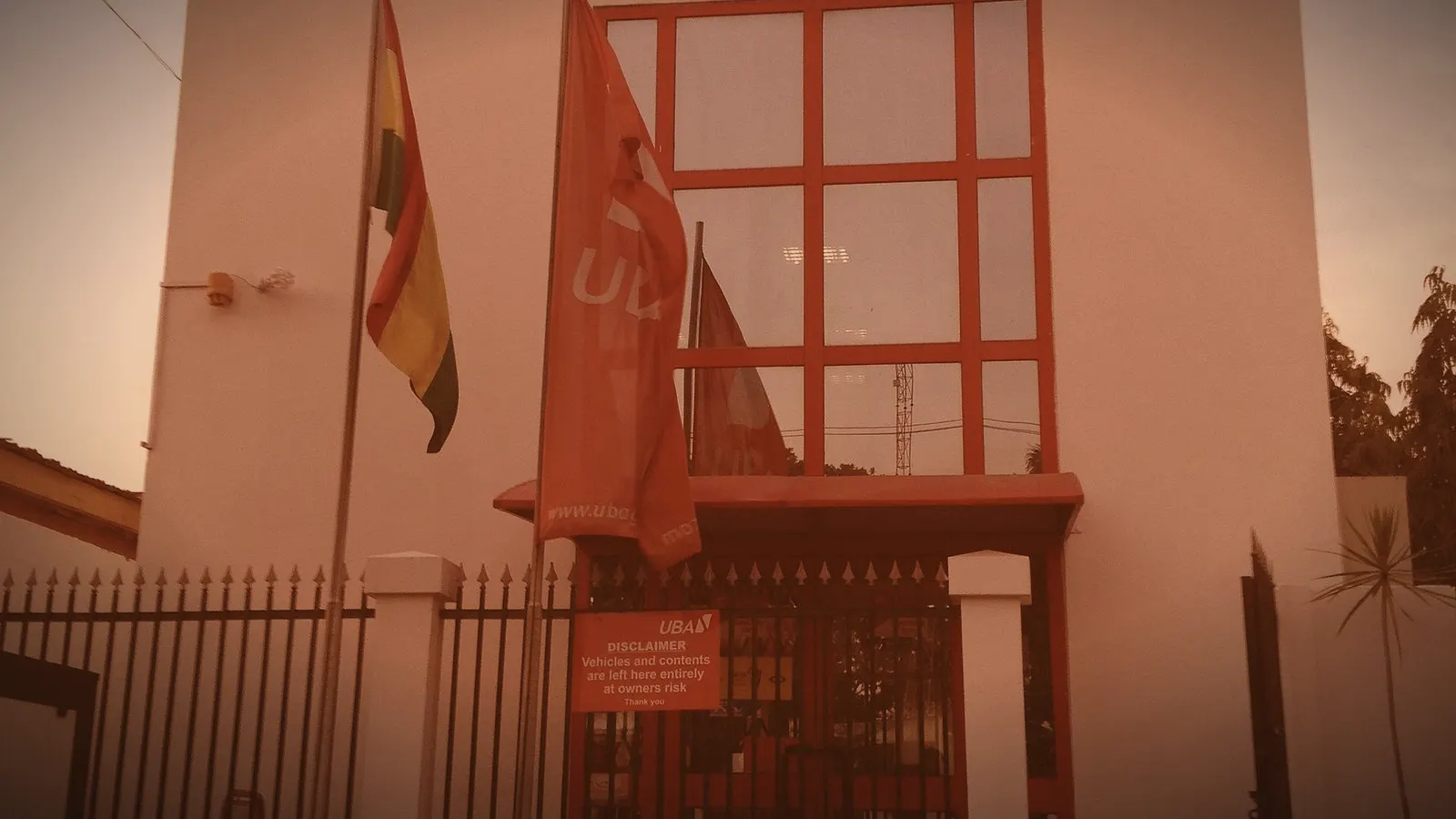
Attijariwafa bank is set to take control of Société Générale Ghana. The Moroccan banking group has reached an agreement to acquire 55.22% of the capital of the French group's Ghanaian subsidiary, while the Social Security and National Insurance Trust (SSNIT), Ghana's social security fund, will acquire an additional 5%, according to BusinessDay. The transaction was made public on October 1, 2026, as reported by Financial Afrik.
Société Générale Ghana is not a small entity. Based in Accra, it employs more than 500 people and operates around 40 branches across 24 cities in the country, BusinessDay notes. For Attijariwafa bank, this serves as a gateway into one of the primary English-speaking banking markets in West Africa.
A Moroccan group already present in 26 countries
The group, led by Mohamed El Kettani, claims approximately 12 million customers, more than 20,900 employees, and a presence in 26 countries across Africa, Europe, and the Middle East. Its assets reached $71.7 billion in 2025, and it ranked 979th in the Forbes Global 2000 list, according to BusinessDay. It is already established in Côte d'Ivoire, Senegal, and Nigeria.
Mohamed El Kettani linked the signing to "our confidence in Ghana's development prospects," as quoted by BusinessDay, and positioned the operation within the group's strategy of expansion into English-speaking African markets.
African capital taking the lead
The operation speaks to the evolution of banking capitalism on the continent. For decades, major institutions in both Francophone and Anglophone Africa were subsidiaries of European parent companies, making decisions from Paris or London regarding credit granted to African businesses. Here, it is a Moroccan group, backed in part by a Ghanaian institutional investor, that is taking the helm: a pan-African bank serving an African economy, with savings and decision-making centers remaining on the continent.
This does not preclude the need for vigilance. Banking consolidation can also lead to higher fees, branch closures, or layoffs, and it will be up to the Ghanaian regulator to ensure that commitments regarding employment and SME financing are upheld.
The transaction is not yet finalized: it remains subject to the required regulatory and stock market approvals before Attijariwafa bank effectively takes operational control, according to BusinessDay.
This article was written in French with the help of artificial intelligence from the sources cited below, then translated from French automatically. Read the original.