Hepatitis B: Guinea-Bissau buries US trial that was to involve 14,000 babies
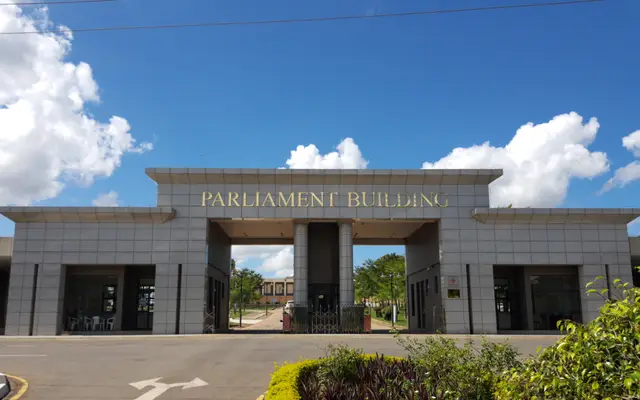
The hepatitis B vaccine trial that was to involve 14,000 infants in Guinea-Bissau will not take place. The project, funded by the United States and led by a team of Danish researchers, has been abandoned due to a lack of authorization from the Bissau-Guinean authorities, according to an investigation published on November 5, 2026, by Al Jazeera. On October 19, 2026, the judicial police raided the research center's premises in Bissau and seized batches of vaccines.
A vaccine delayed for half of the babies
The trial, dubbed "Hepatitis B-NSE," was designed by the Bandim Health Project, a research center based in Bissau and affiliated with the University of Southern Denmark. It planned to randomly divide infants into two groups: one vaccinated at birth, as recommended by the World Health Organization, and the other six weeks later. The teams were then to monitor their health for five years. The project had secured $1.6 million from the US Centers for Disease Control and Prevention, according to Al Jazeera.
The WHO had made its ruling
Announced in December 2025, the protocol triggered a wave of anger. In a statement on February 13, 2026, the WHO deemed it unethical. The stakes are high: in Guinea-Bissau, one in five of the 2.2 million inhabitants lives with hepatitis B, an incurable infection that, when contracted in infancy, can cause lasting liver damage and lead to cancer. Due to a lack of sufficient doses, the state currently only authorizes vaccination within six weeks of birth and is aiming for 2028 to vaccinate all babies from their first day.
The researchers saw this as a "unique window of opportunity" between 2026 and 2028: thousands of children would have received the vaccine at birth ahead of the official schedule. Their critics responded that the other half would be deprived of it, even though those families would have had access if the state had the means to pay. "It is unethical to deprive children of an intervention that works," Magda Robalo, former Minister of Health of Guinea-Bissau, told Al Jazeera.
A question of scientific sovereignty
Ms. Robalo also criticized the researchers for taking advantage of the country's weak research capacity. Other voices recalled the Tuskegee study, conducted in Alabama from 1932 to 1972 on Black men with syphilis who were left untreated even though penicillin existed; more than a hundred died. The Bandim Health Project has been led since 1978 by Christine Stabell Benn and Peter Aaby, who defend the hypothesis that certain inactivated virus vaccines could have unintended effects. Ms. Benn denied any wrongdoing in an email sent to Al Jazeera in February 2026.
Frederik Schaltz-Buchholzer, a researcher associated with the project, wrote that the trial will not continue in Guinea-Bissau due to a lack of "necessary government authorization," and viewed it as a setback for African science. The government had not spoken publicly about this halt as of November 5, 2026; authorities indicate they are continuing their checks on compliance with national safety standards. In January 2026, Bissau had already suspended the project and opened an investigation with the Africa CDC and the WHO.
This article was written in French with the help of artificial intelligence from the sources cited below, then translated from French automatically. Read the original.