Malawi: Remains in the wrong bags, says witness to the aftermath of the crash that killed Chilima
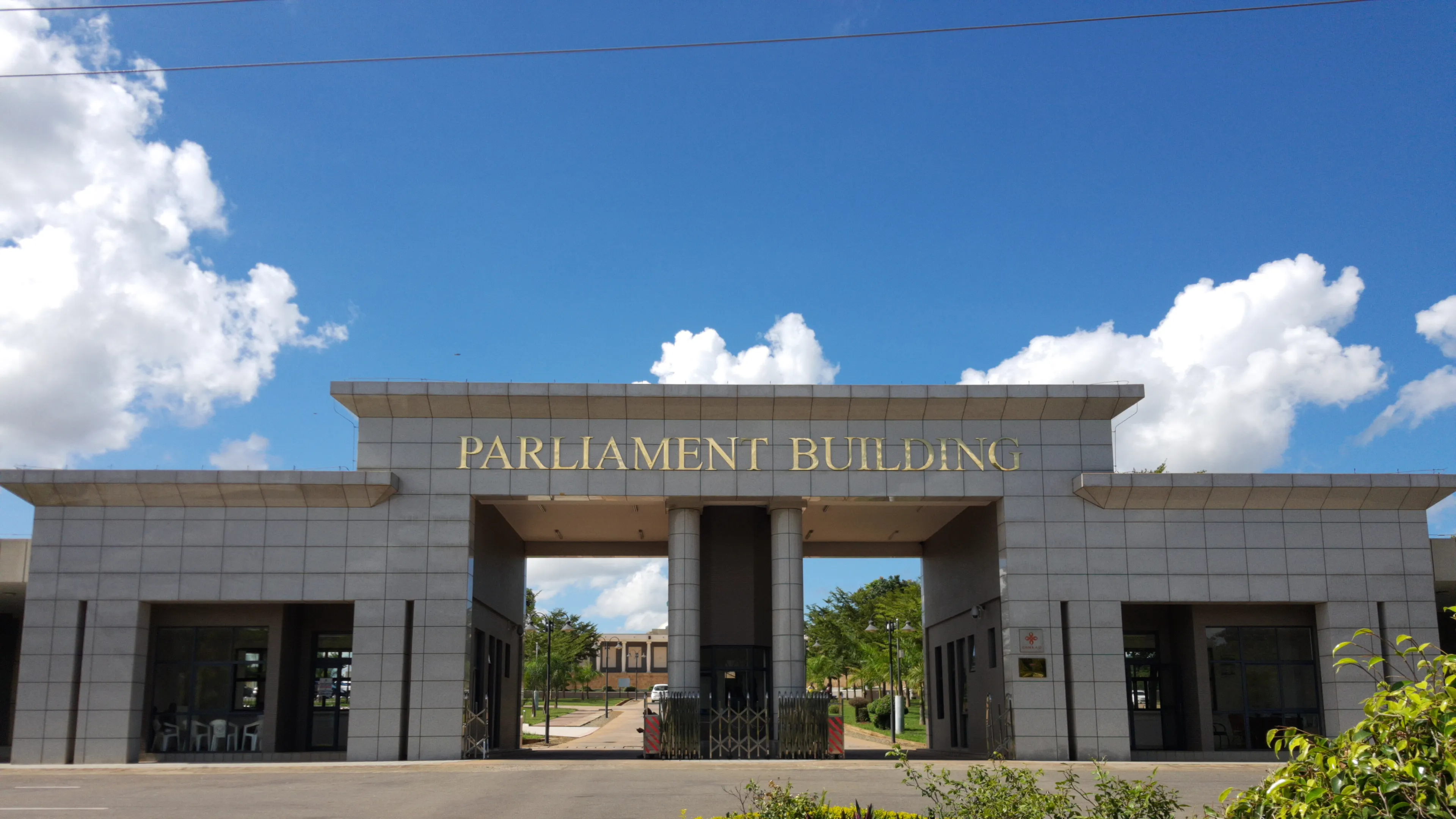
Remains belonging to different victims were found in the wrong body bags after the plane crash that killed Malawian Vice President Saulos Chilima, a hospital official told the ad hoc parliamentary commission tasked with investigating the incident. The testimony of Andrew Master Mwale, a clinical officer at Kamuzu Central Hospital in Lilongwe, was reported on November 4, 2026, by the Malawian newspaper Nyasa Times.
What the witness says
Mr. Mwale explained that he went to the Sunset Funeral Home in Kanengo, a suburb of Lilongwe, on June 11, 2024, to collect the bodies of eight victims. He stated that he had the bags, which were labeled with the names of the occupants, opened, the blankets removed, and the remains placed in cold storage, with instructions that no one touch them before the autopsies scheduled for the following day.
According to his account, remains were later found in bags that did not belong to them, and some items placed in the former vice president's bag did not correspond to him. He claims to have set aside remains, including a spine that he attributed to Major Abdul Lapukeni, whose body had already been taken for a Muslim funeral. Returning to the morgue a day later, he could no longer find them. He also stated that military personnel had cleaned the crew's bodies overnight, apparently to prepare them for transfer to their families.
Why these hearings matter
The aircraft crashed on June 10, 2024, according to the Malawian daily The Nation. The death of the sitting vice president, a former private sector executive who had become one of the country's most followed political figures, stunned Malawi. Parliament set up an ad hoc commission to resume the examination of the facts, before which Mr. Mwale was heard.
These statements have not been established by any court, and no one is currently named as being responsible for the disappearance of the remains. The Nyasa Times report does not mention any response from the Malawian army or the funeral home, does not specify the exact date of the hearing, and does not provide the commission's work schedule.
The fact remains that what this witness describes touches on the heart of any investigation into a violent death: the chain of custody of the bodies. If remains were mixed up and then moved before the autopsies, the forensic conclusions drawn from these examinations become more difficult to defend. For the families of the eight victims and for Malawians, the stake of these hearings is simple: to obtain a version of the facts that holds up, and to be able to trust the institutions tasked with establishing it.
This article was written in French with the help of artificial intelligence from the sources cited below, then translated from French automatically. Read the original.