Kayar: Over 29,000 arrivals in the Canaries in 2026, and mothers who no longer hold back their sons
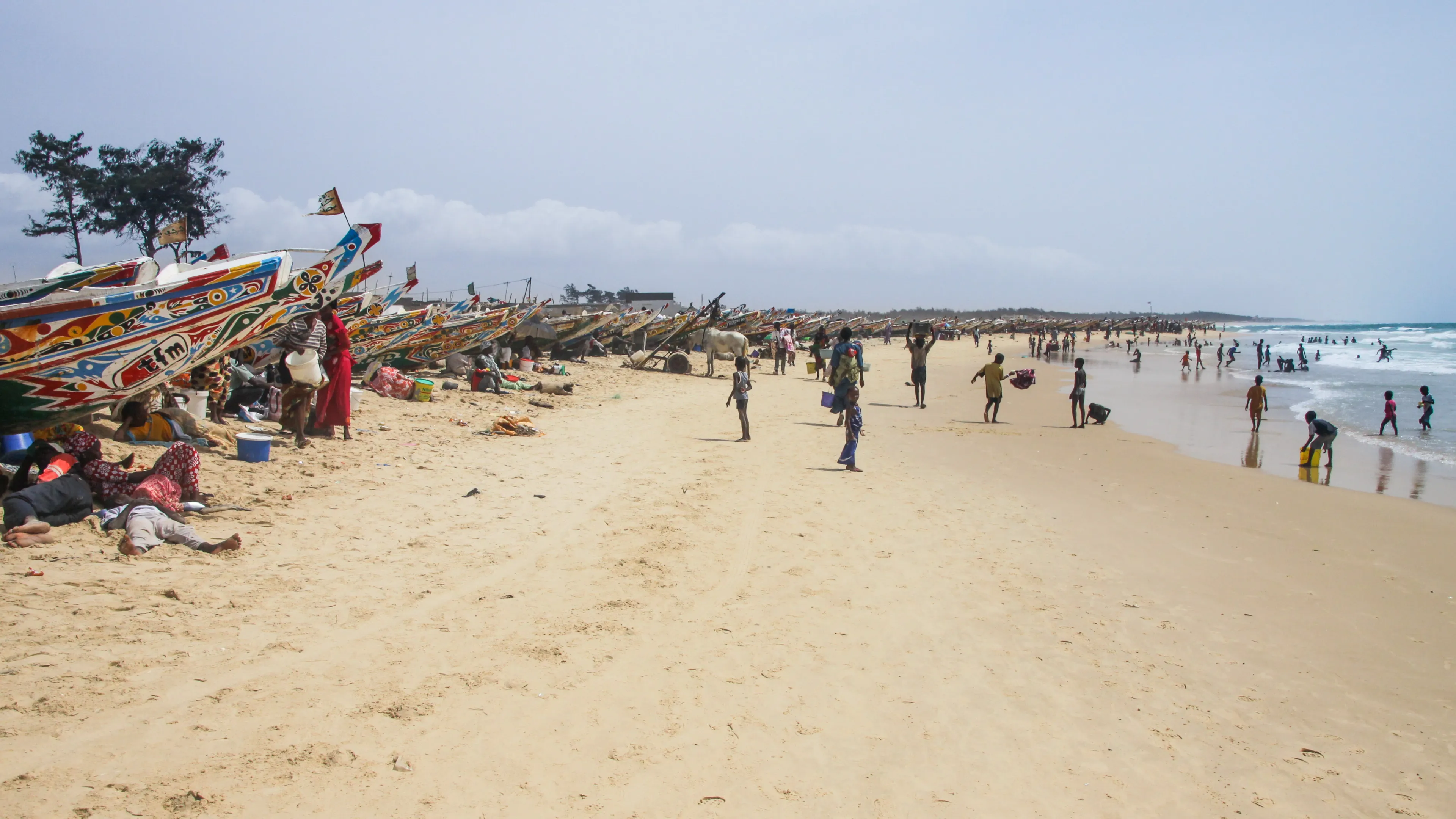
In the fishing village of Kayar, north of Dakar, pirogues set off at night toward the Canary Islands. More than 29,000 people, mostly Senegalese and Gambians, have reached the Spanish archipelago since the beginning of 2026, including about 16,000 in the month of November alone—three times the total for the first half of the year, according to Spanish authorities cited by the Associated Press on November 26, 2026. Last year, that figure was 17,000.
Three attempts, fifteen days adrift
Baye Coura Diop, 23, a fisherman in Kayar, has already tried three times. On his first attempt, his overloaded pirogue went off course: fifteen days adrift, with only seawater to drink. The next two times, he narrowly escaped the Senegalese authorities. He has already paid the smuggler, about 400,000 CFA francs (669 dollars) per attempt, and is waiting for the green light. He lives with his mother and about twenty relatives. "Half of my friends are in Europe," he told the AP.
His mother, Sally Ndiaye, financed these departures through community loans. She dreads finding the room empty every morning. From her window, she sees the house that her brother-in-law, who reached Spain, had built. She says she has given up on trying to hold her son back.
When the fish disappear, leaving becomes an exit
Fishing accounts for 3% of Senegal's gross domestic product and supports about 50,000 direct jobs and 500,000 indirect ones, according to the FAO. Ngagne Cisse, 42, secretary-general of the association of returned migrants, was one of the first to reach Spain by pirogue in 2006, before being deported. He accuses foreign vessels of not respecting authorized limits: "There is no more fish for us," he summarized to the AP. Elected in 2024 on a promise to revise fishing licenses granted to foreign companies, President Bassirou Diomaye Faye has changed nothing, the interviewed fishermen claim.
A cemetery without graves
The International Organization for Migration has recorded more than 6,500 deaths on this route since 2020, a figure that likely reflects only a portion of the actual toll. The Spanish NGO Caminando Fronteras documents more than 26,000 people dead or missing over the same period. Between 2022 and 2025, deaths and disappearances increased by 95%, according to the AP. That week, the Senegalese navy intercepted five pirogues carrying 974 people in a single day.
Monitoring departures, refusing visas
About 75% of Senegalese are under 35 years old. Europe is funding increased coastal surveillance, which has reduced departures according to the AP, while visa refusal rates for Senegalese remain among the highest in the world: the same border is therefore closed to planes and monitored on the water. In Spain, just days before the general elections, Popular Party leader Alberto Núñez Feijóo and Vox candidate Santiago Abascal are using these arrivals against the government of Pedro Sánchez.
Falla Dionne, 24, is also waiting. In July 2022, her husband left the house saying he was going to work in Mauritania; their son was three months old. A week later, her in-laws told her he had embarked for Spain. She has never heard from him. She has saved enough to pay a smuggler and will leave her child with her grandmother.
This article was written in French with the help of artificial intelligence from the sources cited below, then translated from French automatically. Read the original.