Kenya: Court cancels Ebola quarantine center backed by Washington, 45 days for agreements
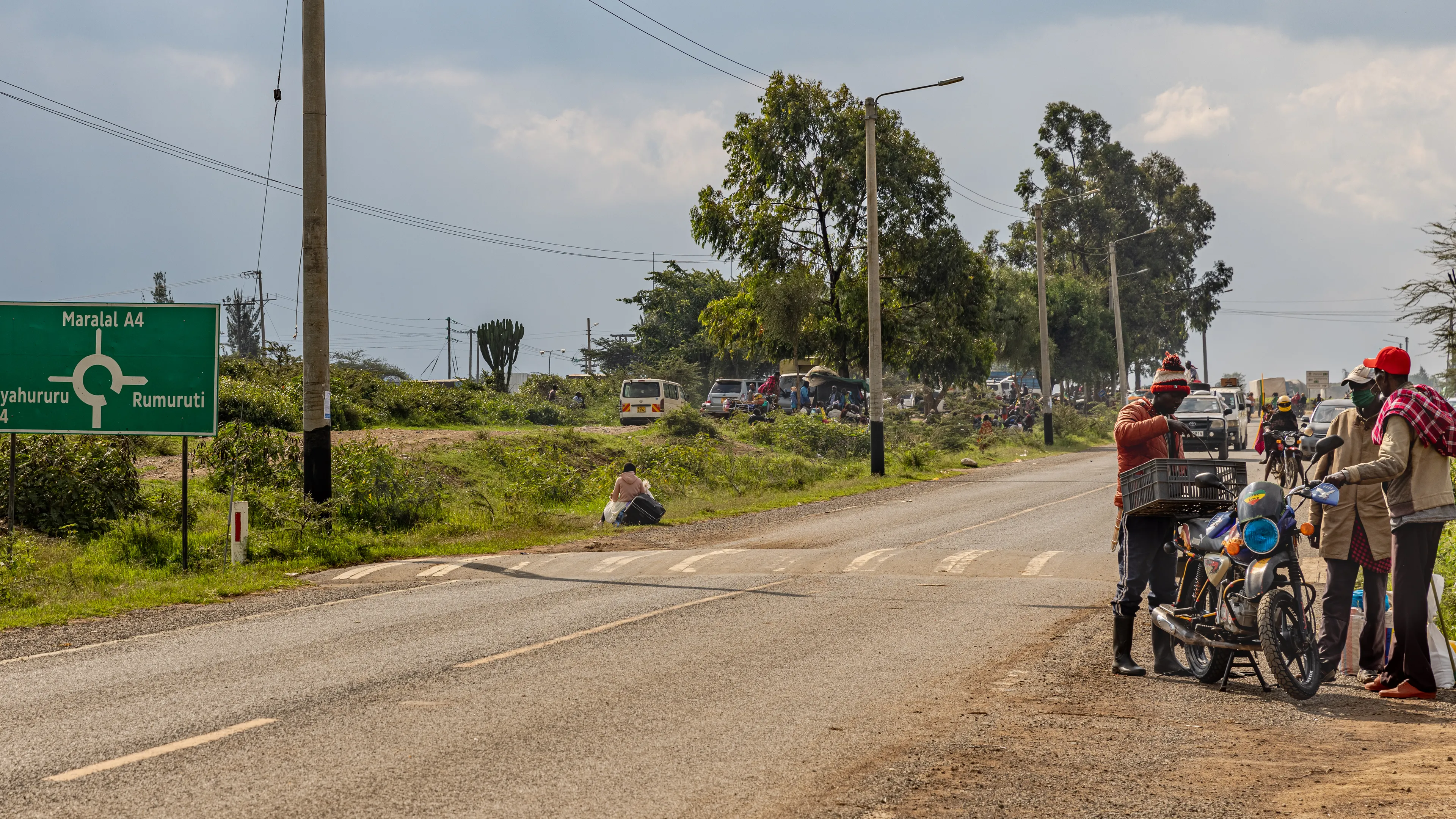
On November 26, 2026, Judge Patricia Nyaundi ruled that the Kenyan government violated the Constitution by authorizing the construction of a 50-bed Ebola quarantine center at the Laikipia military base without any public participation, reports the Associated Press.
The decision prohibits any further construction and any operation of the site. It gives authorities forty-five days to make public all agreements reached with the United States.
A $13.5 million American project
Washington planned to contribute $13.5 million toward Kenya's Ebola preparedness. U.S. officials had indicated that Americans exposed to the virus abroad would be sent to this facility rather than being repatriated. Staff members from an American humanitarian organization had already been placed in quarantine in Kenya after working in the Democratic Republic of Congo, according to the AP.
Residents alerted by the noise of planes
Local residents say they saw military planes landing at the base shortly after work began. On June 1, 2026, protests in Nanyuki resulted in deaths. In May 2026, the High Court had already suspended the construction site while it reviewed a petition from the Law Society of Kenya and the Katiba Institute, a constitutional watchdog: the petitioners argued that the Kenyan health system was not equipped to handle an epidemic.
Nine cases, and a question of sovereignty
Kenya recorded its first Ebola case in October 2026, in a national who returned from the DRC via Uganda. The country has nine cases in total, all direct contacts of that patient. When asked in October about the possibility of the center also hosting Kenyans exposed to the virus, Health Minister Aden Duale replied that the government was awaiting instructions from the court.
The judgment does not settle a medical issue but rather a question of procedure: it sanctions a mechanism negotiated over the heads of the residents, on a military base, in a country where public participation is a constitutional principle. What Laikipia brings to the table goes beyond Laikipia: who decides what is installed on African soil, and under what conditions.
Neither an appeal nor an official reaction has been reported immediately.
This article was written in French with the help of artificial intelligence from the sources cited below, then translated from French automatically. Read the original.