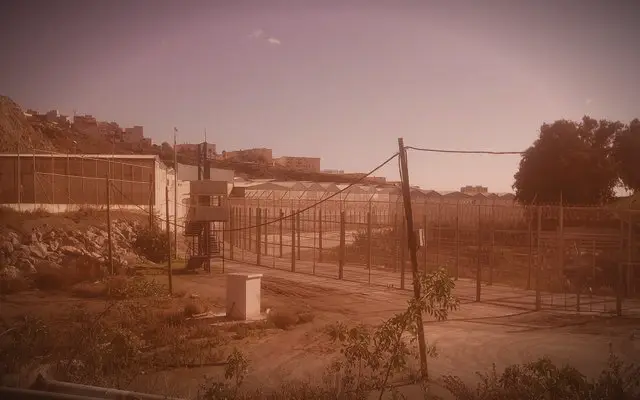
Morocco: Over 300 Senegalese in two southern centers, about sixty minors among the survivors
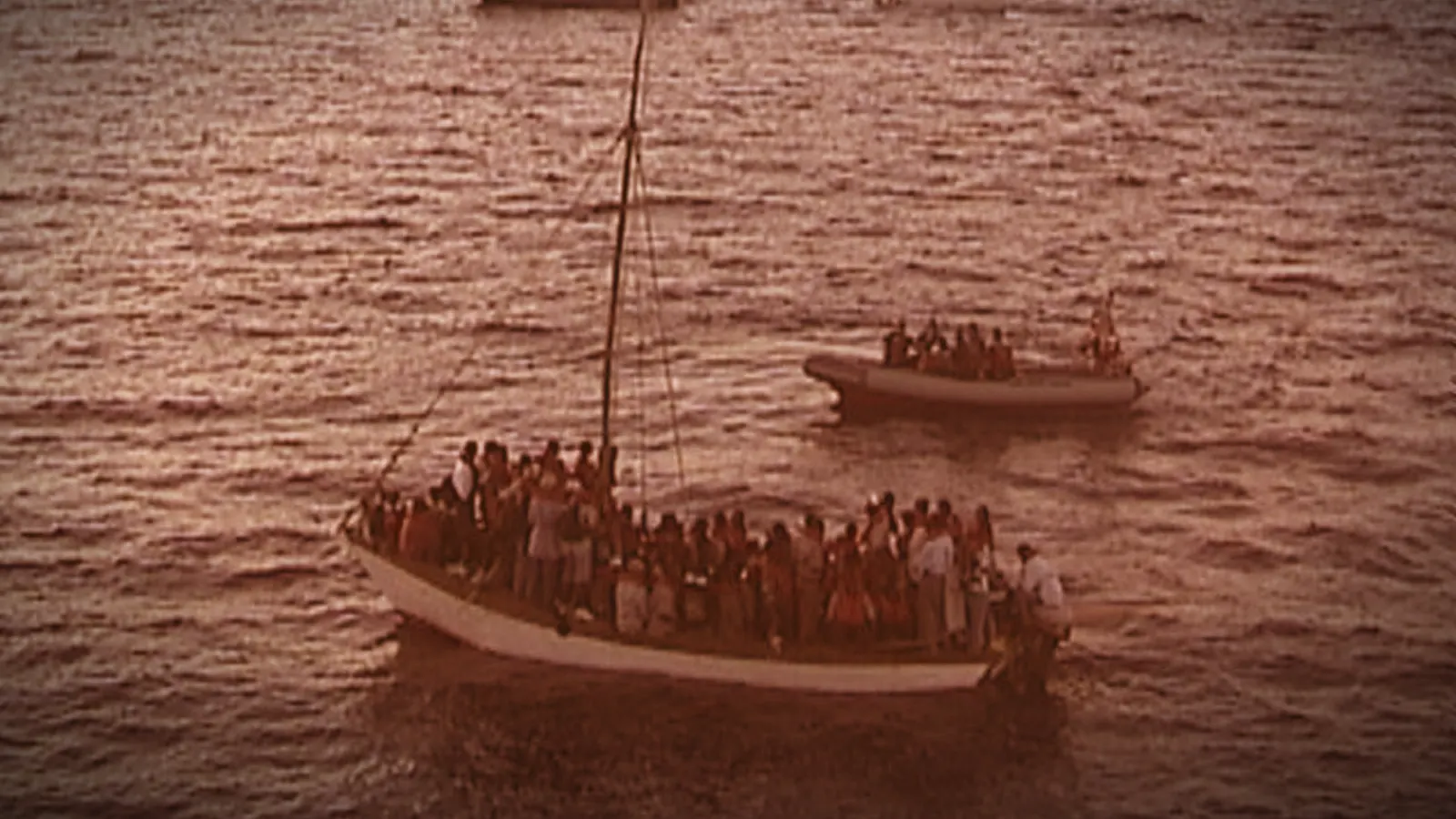
More than 300 Senegalese nationals attempting irregular migration to Spain are currently being held in reception centers in Bir Gandouz and Al Argoub, in southern Morocco, reported Senegalese media outlets Seneweb and Pulse Sénégal on October 6, 2026.
Three vessels rescued in two days
Among them, 190 Senegalese were rescued at sea and brought ashore in Dakhla on October 2 and 4, 2026, aboard three vessels that had departed from the Gambian coast and Saint-Louis, in northern Senegal. Their intended destination was Spain via the Atlantic route.
The profile of the survivors is striking: about sixty minors are among them, as well as one woman. Children have therefore boarded pirogues for a crossing that both media outlets describe as particularly dangerous toward the Canary Islands.
About thirty arrests
About thirty people, presented by Moroccan authorities as organizers of departures or boat captains, have been arrested, including some Senegalese nationals. No judicial decisions regarding them have been made public at this stage.
The consular response
The Senegalese Consul General in Morocco visited the Al Argoub center to "identify the compatriots present" and inquire about their situation, the same sources indicate. Consular authorities assure that "appropriate measures" are being taken to facilitate their return to Senegal as soon as possible.
A departure season that is intensifying
Seneweb and Pulse Sénégal place these rescues within a resurgence of attempts observed in August and September 2026 from the Gambian and Senegalese coasts. The Atlantic route, stretching over a thousand kilometers to the Canaries, remains one of the deadliest used by West African departure candidates.
Behind the numbers lies a political reality: hundreds of young Senegalese, and now children, believe that the risk of dying at sea is better than staying. As long as employment and legal mobility prospects do not change in Dakar or Banjul, consular repatriations will address the consequences, never the causes.
This article was written in French with the help of artificial intelligence from the sources cited below, then translated from French automatically. Read the original.