Ouidah: Nadia Adanlé revives Beninese indigo with sixteen motifs from the depths of the Atlantic
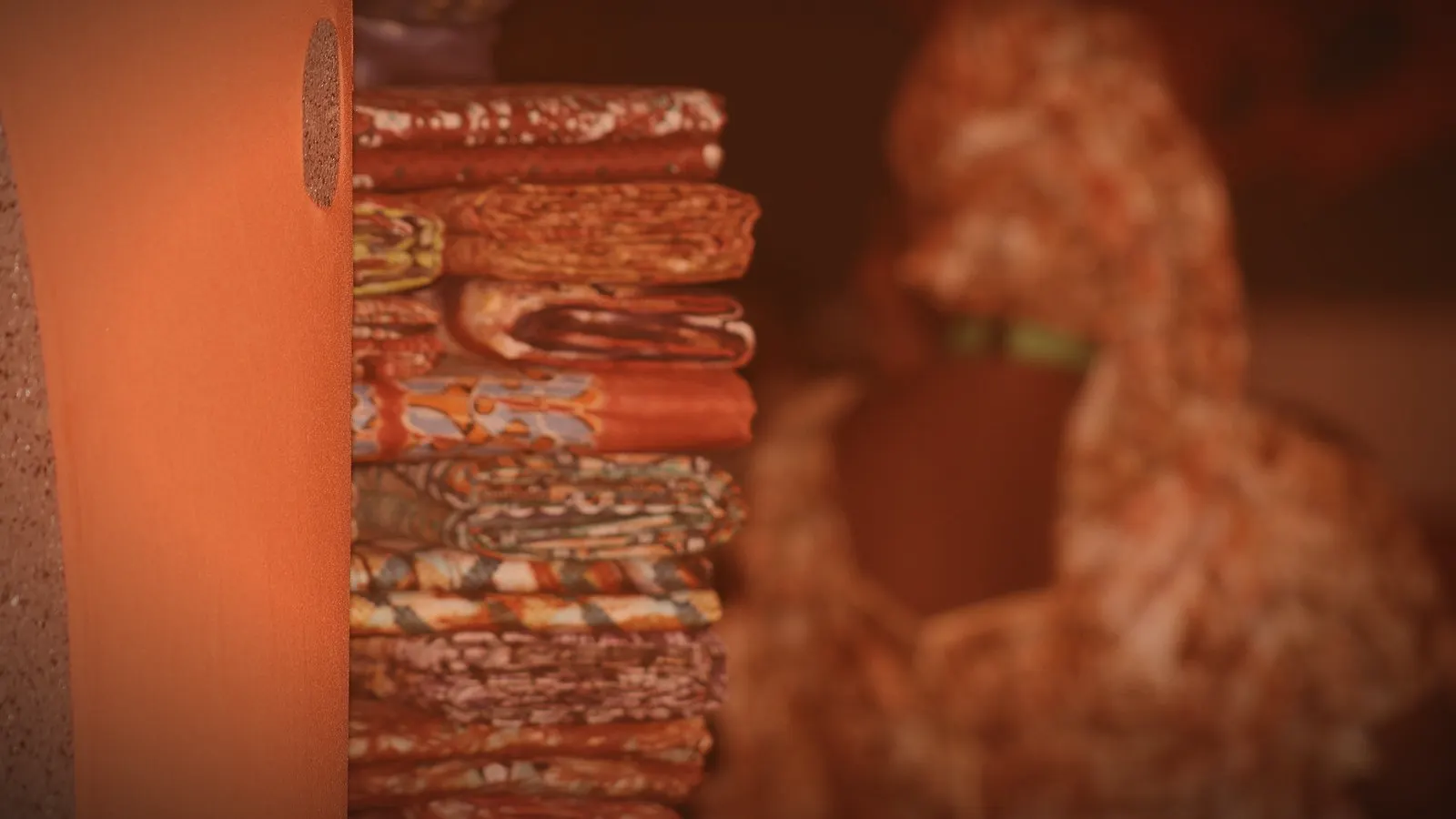
On October 24, 2026, at Indigo Village, on the shores of Lake Toho in the commune of Ouidah, in southern Benin, stylist and designer Nadia Adanlé presented "Apusomɛ," the nineteenth collection from her brand, Couleur Indigo. The fashion show drew its forms from the depths of the ocean: sixteen motifs—fish, seashells, octopuses, jellyfish, turtles, and corals—printed on fabrics dyed with indigo by Beninese artisans, according to Africanews.
A blue that had been left to fade
Indigo is not an imported color in Benin; it is an ancient craft obtained through the fermentation of dye plants, long practiced by women in courtyards and workshops across the region. Cheap industrial fabrics gradually pushed it aside. Nadia Adanlé says she specifically wants to bring this fabric back into the spotlight and rescue it from the neglect it had fallen into by entrusting it to artisans rather than machines.
The choice of location is not trivial. Ouidah is one of the major sites of memory regarding the Atlantic slave trade: it was from this coast that hundreds of thousands of captives were embarked, and the Slave Route still leads there today to the Door of No Return, facing the sea. By drawing her motifs from the seabed and explicitly linking her collection to the Atlantic and the slave trade, the designer makes clothing an object of memory as much as one of fashion.
Benin bets on its creators
The initiative has been praised by the Beninese presidency. Coline-Lee Toumson-Venite, project manager for arts and culture at the presidency, sees it as an asset for the country's cultural and creative tourism sector, reports Africanews. Benin has made culture and memory a clear pillar of its economic policy, from the restitution of looted works to the development of its historical sites.
What this fashion show says
It would be easy to see this as just a provincial fashion show. It is something else entirely: proof that a threatened African craft can once again become a viable industry, with dyers, weavers, and workshops paid for their work, and that an African designer does not need a European runway to exist. Nineteen collections stand as testament to this.
Beninese indigo thus joins a long list of textiles from the continent, from Ghanaian kente to Malian bogolan, whose value is no longer just aesthetic but economic and political: whoever holds the chain, from the plant to the garment, also holds the narrative.
This article was written in French with the help of artificial intelligence from the sources cited below, then translated from French automatically. Read the original.