South Africa: Court strikes down code mandating 50% Black ownership for major law firms
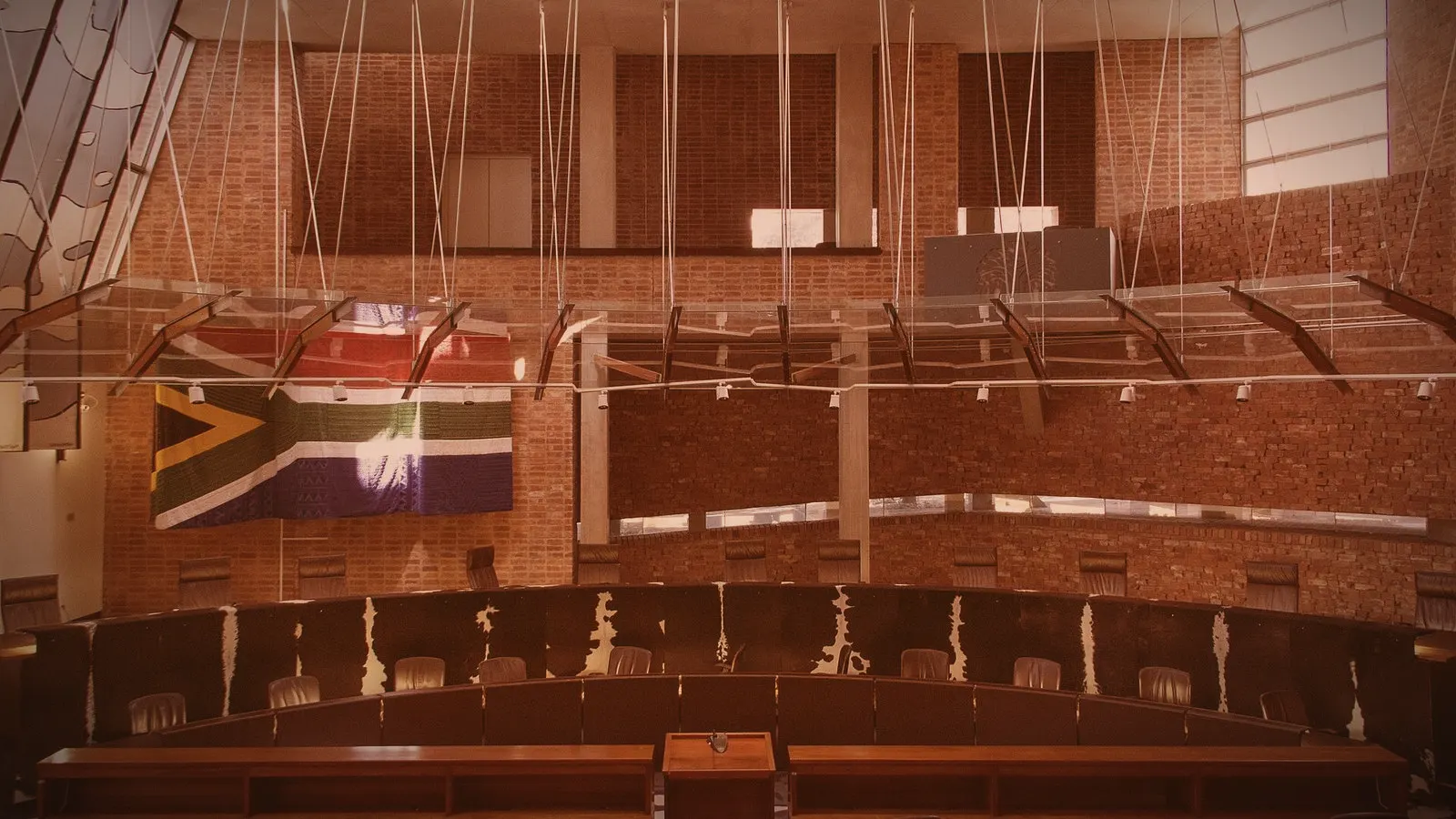
The Gauteng High Court has annulled the approval of the Black Economic Empowerment code applicable to the South African legal profession, in a ruling reported on October 9, 2026, by Africanews (Reuters). Promulgated in 2024 by Minister of Trade and Industry Parks Tau, the text set specific targets for the legal sector regarding ownership, management, and procurement, with a flagship requirement: that large firms achieve 50% Black ownership within five years, including 25% for Black women.
A procedural flaw, not a rejection of transformation
The court did not rule on the constitutionality of the code nor its racial transformation objectives. It found that the minister had not conducted an independent assessment and had failed to justify the code's deviations from the general Broad-Based Black Economic Empowerment (B-BBEE) rules. The approval is therefore annulled and the matter referred back to Parks Tau, who must now determine for himself whether these provisions are justified. A spokesperson for the minister did not immediately respond.
Four corporate firms and a union on the offensive
The legal challenge was initiated by Deneys Reitz, formerly Norton Rose Fulbright South Africa, joined by Bowmans, Webber Wentzel, and Werksmans, as well as the Solidarity trade union. The case was heard from May 4 to 8, 2026, notes Polity. Before the court, the firms argued that the code was illegal and unenforceable, that it failed to recognize transformation measures already underway, and that it excluded non-legal Black executives from the calculation of managerial control, even though human resources, technology, and accounting departments hold senior positions. They requested that the general B-BBEE codes remain in place pending a 'legal' and documented text.
For Solidarity, whose chief executive Dirk Hermann hailed it as a 'major victory' against the government's racial policy, the decision is as much a political success as a legal one. Supporters of the code point out that while younger generations of lawyers have become more diverse, Black practitioners remain underrepresented where careers and income are decided: firm ownership, management positions, and high-value cases.
Stakes broader than the bar
The scope of the judgment remains limited: it does not call into question the overall architecture of affirmative action inherited from the end of apartheid. However, it comes at a time when these policies are facing increasing political and judicial pressure, including criticism from U.S. President Donald Trump. Thirty-two years after 1994, the question posed in Pretoria remains the same: how to open up the most closed professions without being derailed by procedure. The ball is now in the minister's court.
This article was written in French with the help of artificial intelligence from the sources cited below, then translated from French automatically. Read the original.