"The greatest repository of stolen goods": Lord Boateng wants the Ethiopian tabot returned by 2027
Lord Paul Yaw Boateng, a Labour peer in the British House of Lords, of Ghanaian descent and a former civil rights lawyer, described the British Museum as "the greatest repository of stolen goods known to man" during a meeting held on October 15, 2026, at Chatham House in London. His remarks were reported on October 17 by Graphic Online and GhanaWeb.
The debate, titled "Reckoning or Rhetoric: Is This the Moment for Global Restorative Justice?", was organized by Chatham House's diversity and inclusion working group for Black History Month.
A timeline, not a statement of principle
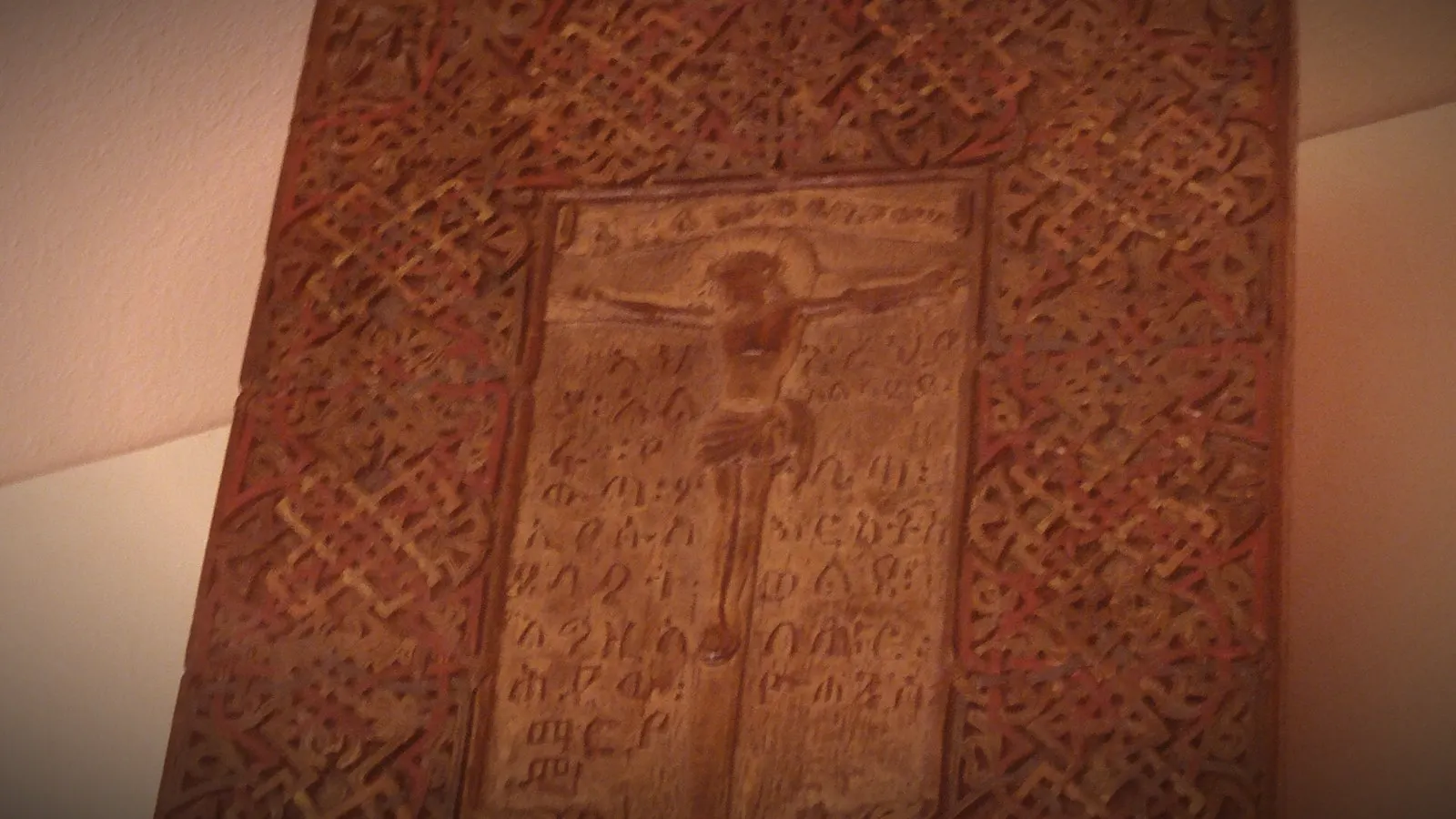
Lord Boateng did not just denounce; he set deadlines. "I want the Ethiopian tabot returned by next year," he stated, according to GhanaWeb. He is demanding the return of the Benin Bronzes "within the next two years." Regarding the Asante gold, his phrasing was even sharper: "I want the Ashanti gold not to be re-loaned." The museum, he noted, "has the gold to loan to the Asantehene, which they stole in the first place."
The distinction is crucial, and it currently structures the entire restitution file. A loan leaves ownership with the institution holding the object: it allows pieces to be displayed in Africa without conceding anything on the substance. For the British peer, this arrangement repairs nothing.
"They have talked, but they have not delivered"
Regarding the museum's record, his judgment is blunt: "They have talked, but they have not delivered," he said according to GhanaWeb, suggesting that the institution has acknowledged historical injustices without drawing the necessary conclusions. He called on the British Museum's trustees and supporters to become "an integral part of restorative justice," as he believes the Church of England and other institutions around the world have done.
Lord Boateng also recalled that the Asante gold had been looted, marking a difference from the so-called Elgin Marbles, another object of contention, which were removed from Greece under different circumstances.
Neither Graphic Online nor GhanaWeb reported a response from the British Museum or its trustees. The strength of the intervention lies in its author: it does not come from an African capital addressing a request to London, but from within the British Parliament itself. It is a sign that the debate over African treasures held in Western museums is no longer playing out only between states, but also within the institutions of the former colonial power.
This article was written in French with the help of artificial intelligence from the sources cited below, then translated from French automatically. Read the original.
Sources
- British Museum must do more, including full return of all 'looted' Asante gold, Ethiopian Tabots and Benin Bronzes - Lord Boateng - Graphic Online
- 'Ashanti was looted' - Lord Boateng demands return of gold from British Museum - GhanaWeb
- British Museum must return looted Asante gold - Lord Boateng - The Ghana Report