Tiya: the Ethiopian stelae that no one can read yet
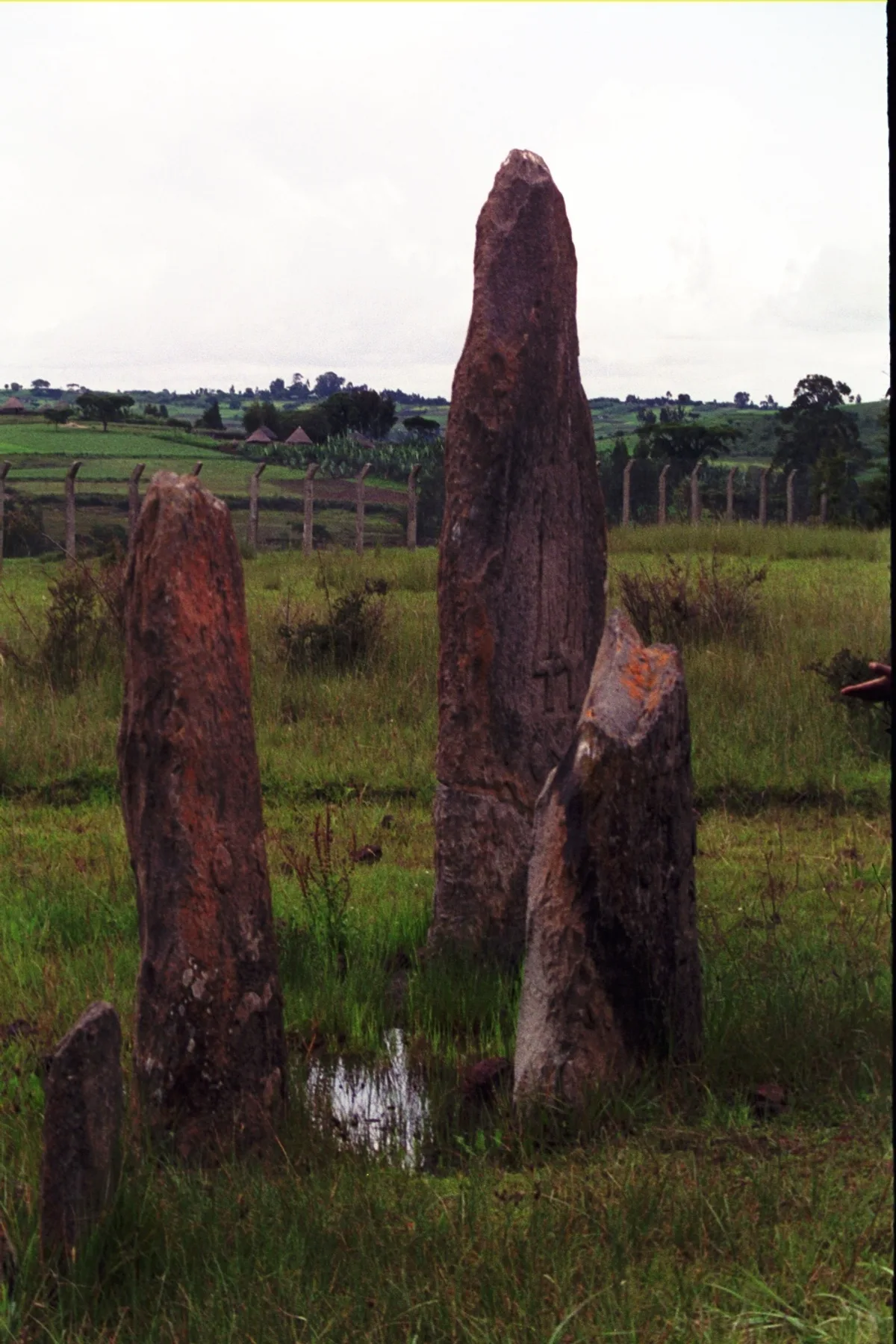
In southern Ethiopia, stone stelae stand in the fields. Some are covered in symbols that no one has yet managed to read with certainty. The Tiya site has been listed as a UNESCO World Heritage site since 1980, yet it still holds much of its mystery.
A site of carved stelae
UNESCO lists 36 monuments at Tiya, including 32 carved stelae. Most are covered in symbols that are difficult to decipher. The organization describes the remains of an ancient culture whose age has not yet been precisely established.
Swords, warriors?
The most common motif is the sword. A frequently cited hypothesis suggests that each sword corresponds to a buried figure, or even to the number of people they may have killed. This reading remains an interpretation: no text has ever confirmed it.
Graves beneath the stones
Skeletons have been found at the site, leading researchers toward a funerary function. In their view, the symbols are likely linked to the burial practices of that era. However, the exact meaning of the signs remains open to debate.
A disputed date
Sources do not agree on the era of these stelae. According to various texts, they date back to between the 10th and 15th centuries, or more specifically between the 12th and 14th centuries. No consensus has been reached on the dating yet, and further excavations will be needed to confirm it.
What purpose did these stelae serve? Did they mark graves, victories, or alliances? The question remains open. If you have an idea or a source to share, leave a comment below: we will revisit the topic.
This article was written in French with the help of artificial intelligence from the sources cited below, then translated from French automatically. Read the original.