Zambia: Honey attracts investors, Wuchi Wami aims to bring 6,000 beekeepers into the formal sector
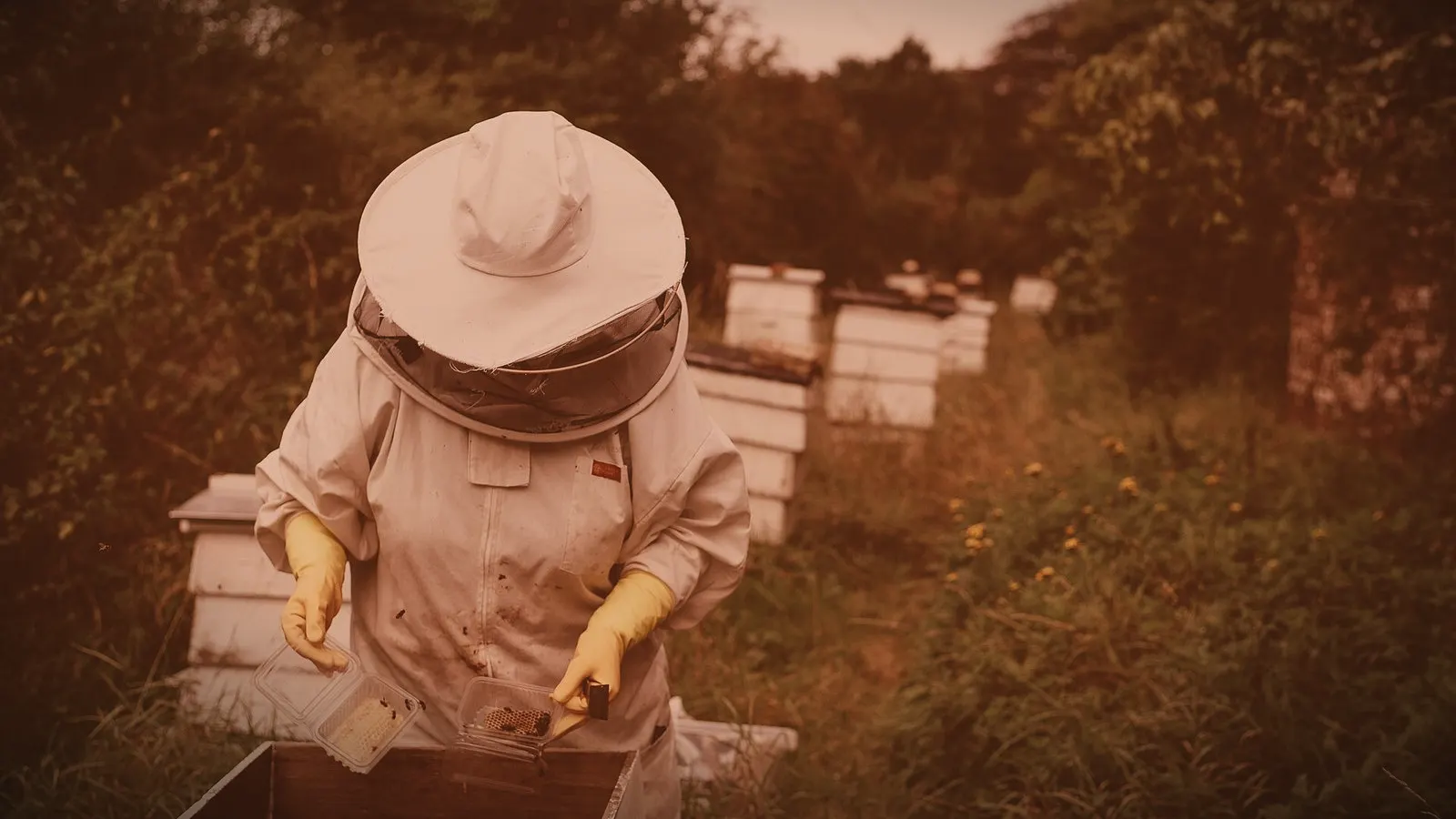
The Zambian company Wuchi Wami has secured an investment from the fund Inside Capital Partners, the amount of which was not disclosed, to structure a honey sector that remains largely informal, reported Business Tech Africa on October 6, 2026.
Wuchi Wami works with more than 6,000 small-scale beekeepers and has deployed over 19,000 top-bar hives. The company buys their miombo honey—named after the open woodlands that cover a large part of Southern Africa—and then ensures quality control, processing, and packaging for supermarkets and food industry players in Zambia and the region.
14,200 tonnes, 90% of which is outside formal channels
Zambia produces approximately 14,200 tonnes of honey per year. However, nearly 90% of this volume is traded informally, according to data cited by Business Tech Africa: sold without traceability or contracts, at prices that producers do not control. It is precisely this gap that the operation intends to bridge by connecting beekeepers to formal markets and industrial demand.
A bet on local processing
Honey attracts far less capital than maize, coffee, or cocoa. Yet, the arrival of an investor in this segment says something broader: in Africa, value is increasingly being created in the stages following the harvest. Formalizing collection and packaging creates work for transporters, packaging manufacturers, equipment suppliers, warehouses, and small food processing units, as honey is used in sauces, baking, and beverages.
This is the opposite of the model that has impoverished the continent for decades: exporting raw materials and importing finished products. A jar labeled in Zambia for Southern African shelves keeps the profit margins, jobs, and expertise within the country.
What remains to be proven
The question that determines everything in these sectors remains: the price paid to the producer and the consistency of purchases. A well-capitalized intermediary can boost family incomes by guaranteeing a market, or simply capture the processing margin. The level of orders placed in the coming months with the 6,000 beekeepers in the network will be the true test.
This article was written in French with the help of artificial intelligence from the sources cited below, then translated from French automatically. Read the original.