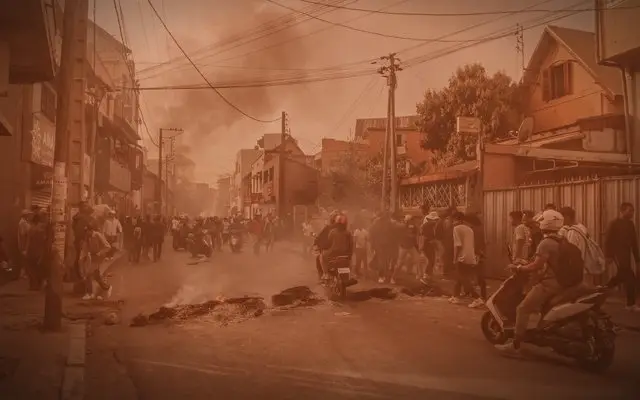
Algeria: 61 Moroccans arrested on suspicion of preparing 'acts of sabotage'
Algerian authorities announced the arrest of 61 Moroccan nationals suspected of preparing "acts of sabotage that threaten security and public order," reported Africanews on October 12, 2026. The arrests took place in Algeria during the first few days of the month, though no precise date was provided. According to the reported information, the suspects allegedly entered the country via mountain paths from neighboring Tunisia. A former member of the Moroccan military is reportedly among them.
In Rabat, the General Directorate for National Security responded on Sunday by describing the group as part of an "international Moroccan criminal network," a very different interpretation from that of Algiers. Neither version has been independently verified, and those arrested are entitled to the presumption of innocence.
Two neighbors who no longer speak
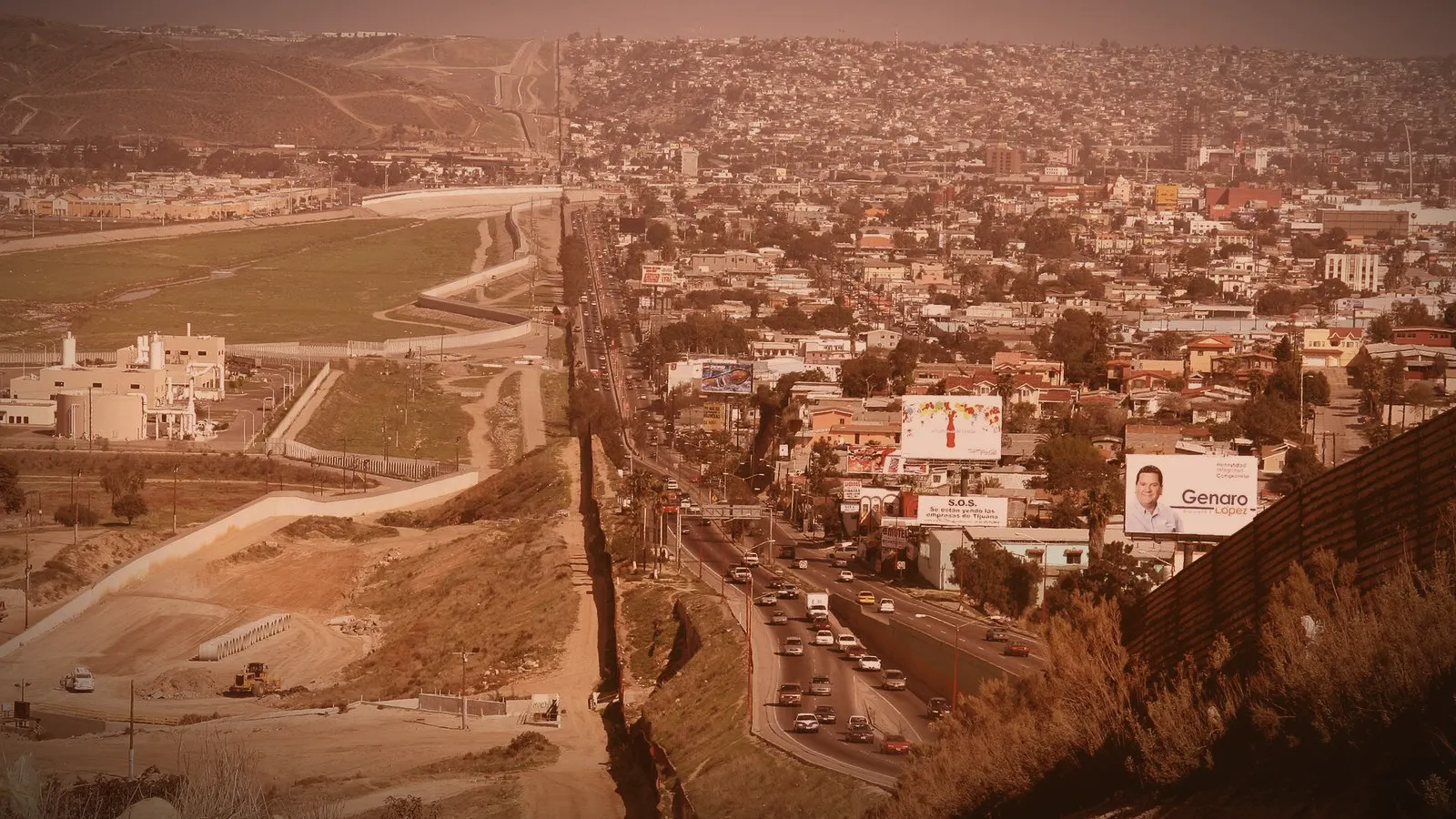
The incident occurs in an already heavy climate. The land border between the two countries has been closed since 1994, and in 2021, Algiers severed diplomatic relations with Rabat. The core dispute remains Western Sahara, a former Spanish colony rich in minerals that the United Nations considers a non-self-governing territory. Morocco has controlled it for nearly five decades and considers it an integral part of its territory; Algeria supports the Polisario Front and its demand for self-determination.
In May, the UN Security Council adopted a resolution supporting the Moroccan autonomy plan, suggesting that autonomy under Moroccan sovereignty could be the "most feasible" solution to this fifty-year-old conflict, according to Africanews. This represents a major diplomatic shift, which was viewed in Algiers as a setback.
The cost of the rift
Between Algeria and Morocco, it is two Maghrebian peoples linked by language, religion, family, and trade who are paying the price: a border closed for thirty-two years, an economically fragmented Maghreb, and now citizens who find themselves in detention on the other side of a line that their grandparents once crossed freely.
What happens next will depend on the judicial treatment of the 61 detainees and the ability of the two capitals to avoid verbal escalation. At this stage, neither Algiers nor Rabat has announced any channel for discussion regarding this matter.
This article was written in French with the help of artificial intelligence from the sources cited below, then translated from French automatically. Read the original.