Togo: Cotton yields rise from 570 kg to over a tonne per hectare for 79,000 producers
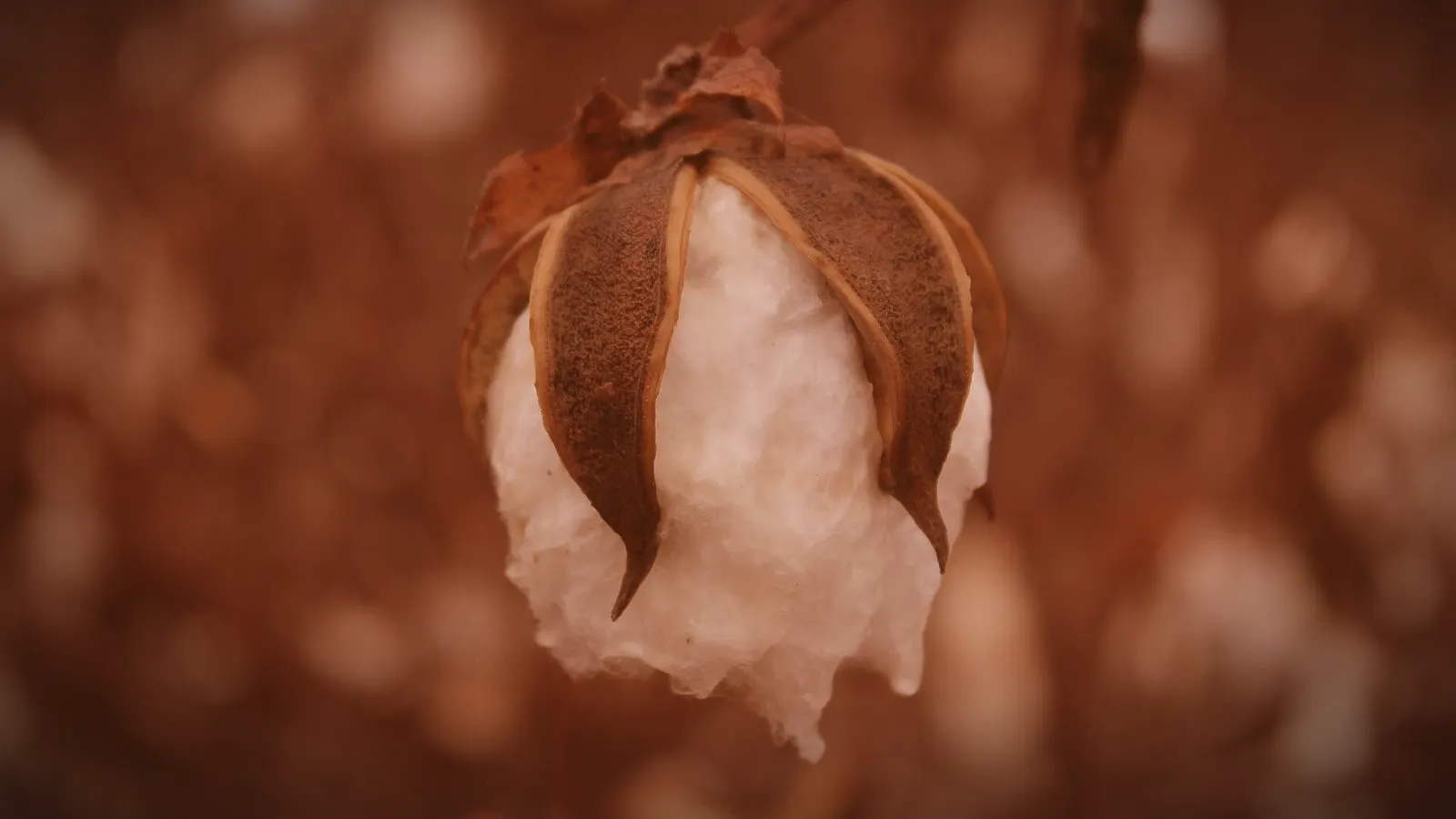
In Togo, the average cotton yield has risen from 570 kilograms per hectare four years ago to over a tonne per hectare during the 2025-2026 season, according to Martin Drevon, then Director General of the Nouvelle Société Cotonnière du Togo (NSCT), as cited on October 12, 2026, by the African agency Bird Story Agency. The sector included nearly 79,000 producers during the 2024-2025 season.
The change stems from a regenerative agriculture program launched by the NSCT in 2023, with technical and financial support from Olam Agri: no-till sowing, crop rotation, intercropping, erosion control, livestock integration, and the production by farmers themselves of biochar and bokashi, two organic amendments.
Field figures
More than 37,000 farmers have been trained in no-till sowing, with over 60% effectively applying it. For crop rotation, 36,650 producers were trained, with an adoption rate of 97%. Forty field schools were deployed in 2025-2026; 1,352 people learned to produce biochar and bokashi, with more than 27 tonnes and 24 tonnes manufactured during the season, the NSCT indicates.
In the Assoumakopè group, where Douti Damessona is president, 188 tonnes of seed cotton were harvested from 88 hectares, or more than two tonnes per hectare; the area will increase to 100 hectares this season. In Bagbé, producer Badakizi Yawa cultivates eight hectares and has reduced her insecticide treatments from seven or eight to three or four, thanks to pheromone traps and colored sticky traps. She is aiming for two tonnes per hectare.
Value still remains elsewhere
Cotton accounts for approximately 20% of Togo's export earnings, according to Kossi Assogbavi, head of communications at the NSCT. Raw cotton exports reached $50.2 million in 2024, according to the World Bank: most of the fiber therefore leaves the country without being processed, and the value added from textiles is created elsewhere.
The limitations are acknowledged by the stakeholders themselves: results vary significantly from one farm to another, and these gains do not prove that regenerative practices are the sole cause, Bird Story Agency emphasizes. The lack of water in the dry season hinders the production of amendments, and uncertainty regarding land access discourages long-term investment. The NSCT, the University of Lomé, and the University of Essex are conducting research to measure the actual impact.
The essential point remains: Togolese farmers are producing twice as much while buying fewer pesticides, and they are manufacturing their own fertilizers. This is the type of agricultural sovereignty the continent needs—provided that cotton processing also eventually takes place locally.
This article was written in French with the help of artificial intelligence from the sources cited below, then translated from French automatically. Read the original.