Madagascar: One year after Rajoelina's fall, Colonel Randrianirina governs without a new constitution
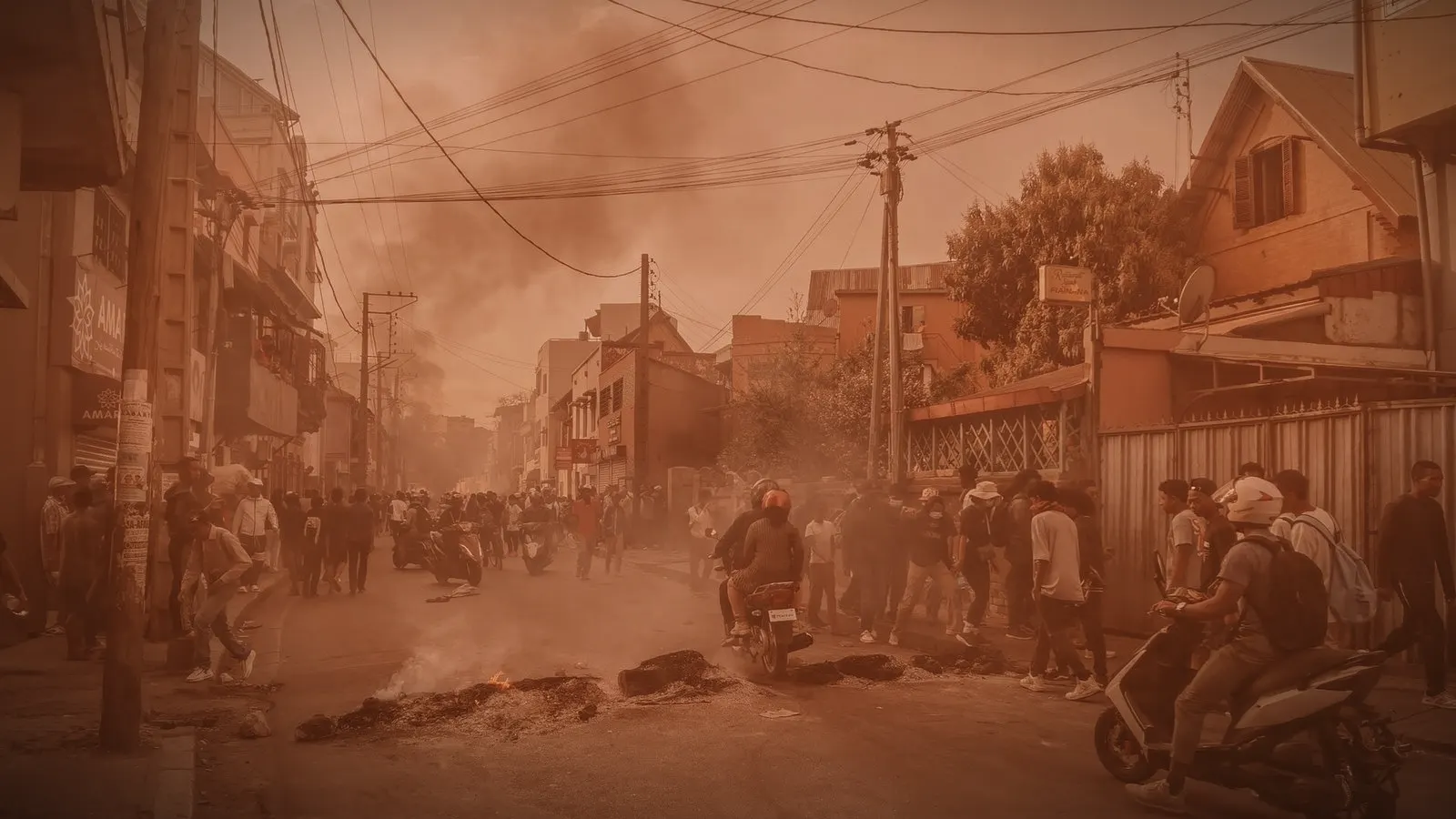
Exactly one year ago, on October 12, 2025, Malagasy President Andry Rajoelina left power aboard a French military plane, following eighteen days of protests led by the youth. The movement was born out of very concrete anger: chronic water and electricity cuts. Twelve months later, according to an RFI report picked up by allAfrica on October 12, 2026, few of the promises made since have been kept.
The army is running the country. Colonel Michael Randrianirina, commander of the Capsat military unit, has installed himself as "President of the Refoundation of the Republic of Madagascar" and has promised elections within two years.
"Basic demands have still not been met"
Mihary Rakotondravelo, a Gen Z activist, sums up the sentiment of some of those who were in the streets: "Basic demands have still not been met," he told RFI, adding that there is no proof that a true refoundation is underway. Yet his group sits on the national consultation committees tasked with drafting a new constitution, a process that is currently at a standstill.
The military government promises a new constitutional text before the presidential election scheduled for late 2027. According to the calendar announced after the call made in August 2026 by SADC for a "return to constitutional normalcy," the proposals must be presented in May, then submitted to a referendum.
Rajoelina in Dubai, without prosecution
The former president lives mainly in exile in Dubai and is seeking support from other leaders on the continent. In February, he attended an official ceremony in Eswatini, whose king had described his ouster as unconstitutional—which irritated the military in power in Antananarivo. Most of his deputies have since joined the country's new masters; several of his supporters have fled or are imprisoned.
Rajoelina himself has not been subject to any prosecution. The Court of Auditors has documented the misappropriation of public resources for the benefit of his entourage, but the deputies never voted for his impeachment, RFI recalls.
A youth that topples a president without armed violence, only to find itself a year later waiting for a constitution and an election: the Malagasy story joins that of several countries on the continent where the street brings down a power that the uniform then recovers. The real test will be the constitutional referendum, and the ability of the 2025 activists to influence it as something other than spectators.
This article was written in French with the help of artificial intelligence from the sources cited below, then translated from French automatically. Read the original.