South Africa: In Durban, African refugees under pressure from a September 30 ultimatum

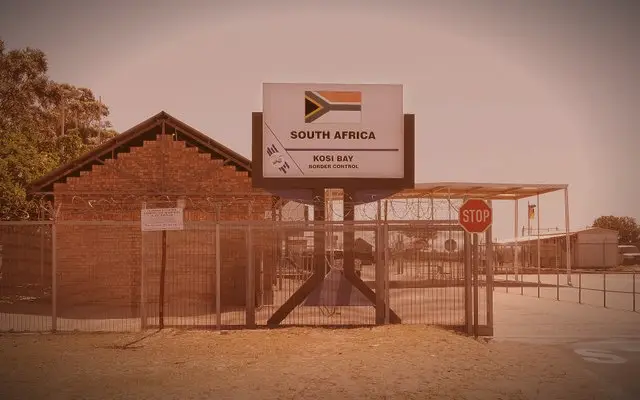
In Durban, in eastern South Africa, refugees and migrants from several countries on the continent are anxiously awaiting September 30, 2026, the date set by the anti-immigration movement March and March to demand the departure of foreigners in an irregular situation. In a report published on September 28, Al Jazeera reports that many of them fear new attacks as this deadline approaches.
This date has no legal standing. The South African government, cited by Al Jazeera, points out that this movement has no legal authority to order anyone to leave. Based in Durban and led notably by Sphelele Shinga, March and March has been holding rallies against irregular immigration for months, according to Seneweb and Afrikmag, which emphasize that the ultimatum is a militant demand, not a state decision.
A dispersed camp, scattered families
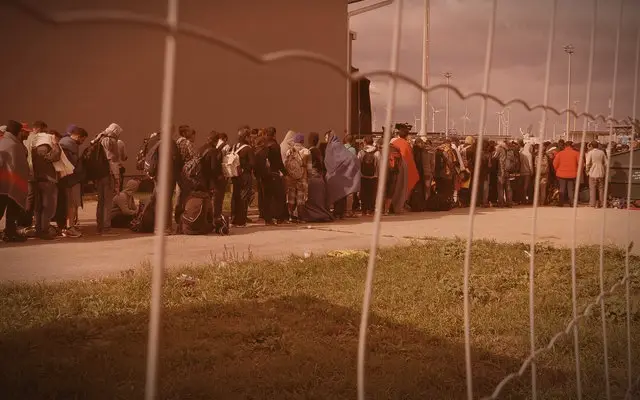
Families have spent weeks sleeping in the open in front of the Durban refugee reception office. On September 3, clashes broke out between about a hundred protesters and migrants near the Ministry of Home Affairs offices: four injuries were reported, according to Al Jazeera. On September 15, 274 people were transferred to the Lindela center, while about 150 others remained in Durban.
The people affected come from the DRC, Burundi, Uganda, Mozambique, Tanzania, Malawi, and Zimbabwe. Among them, Raphael Bahebwa, a Congolese man who arrived in South Africa twenty-six years ago, is now living in hiding, he told Al Jazeera. Kafuti Muyumba, a Congolese businessman who represents his community, is following the cases of the scattered families one by one.
Figures that go far beyond Durban
Between June 14 and August 20, 2026, 86,596 foreigners were subject to removal proceedings in South Africa, with Malawians, Zimbabweans, and Mozambicans making up the largest groups, according to data cited by Al Jazeera. This is a region, Southern Africa, where labor migration is long-standing and massive.
South African voices are challenging the scapegoating of foreigners. Ela Gandhi, a former parliamentarian, denounces the rhetoric that blames migrants for the country's economic difficulties, reports Seneweb. Princess Adjei, a Ghanaian refugee, describes the precariousness of those who sleep on the street due to a lack of clear status.
The debate touches on a principle that the African Union defends in its protocol on the free movement of persons: the right of Africans to move within their own continent. It also serves as a reminder that the protection of refugees is the responsibility of states, not movements that arrogate to themselves the right to set ultimatums. September 30 will reveal whether this date remains a slogan or translates into action.
This article was written in French with the help of artificial intelligence from the sources cited below, then translated from French automatically. Read the original.