WAEMU: The BCEAO reforms money transfers to promote financial inclusion
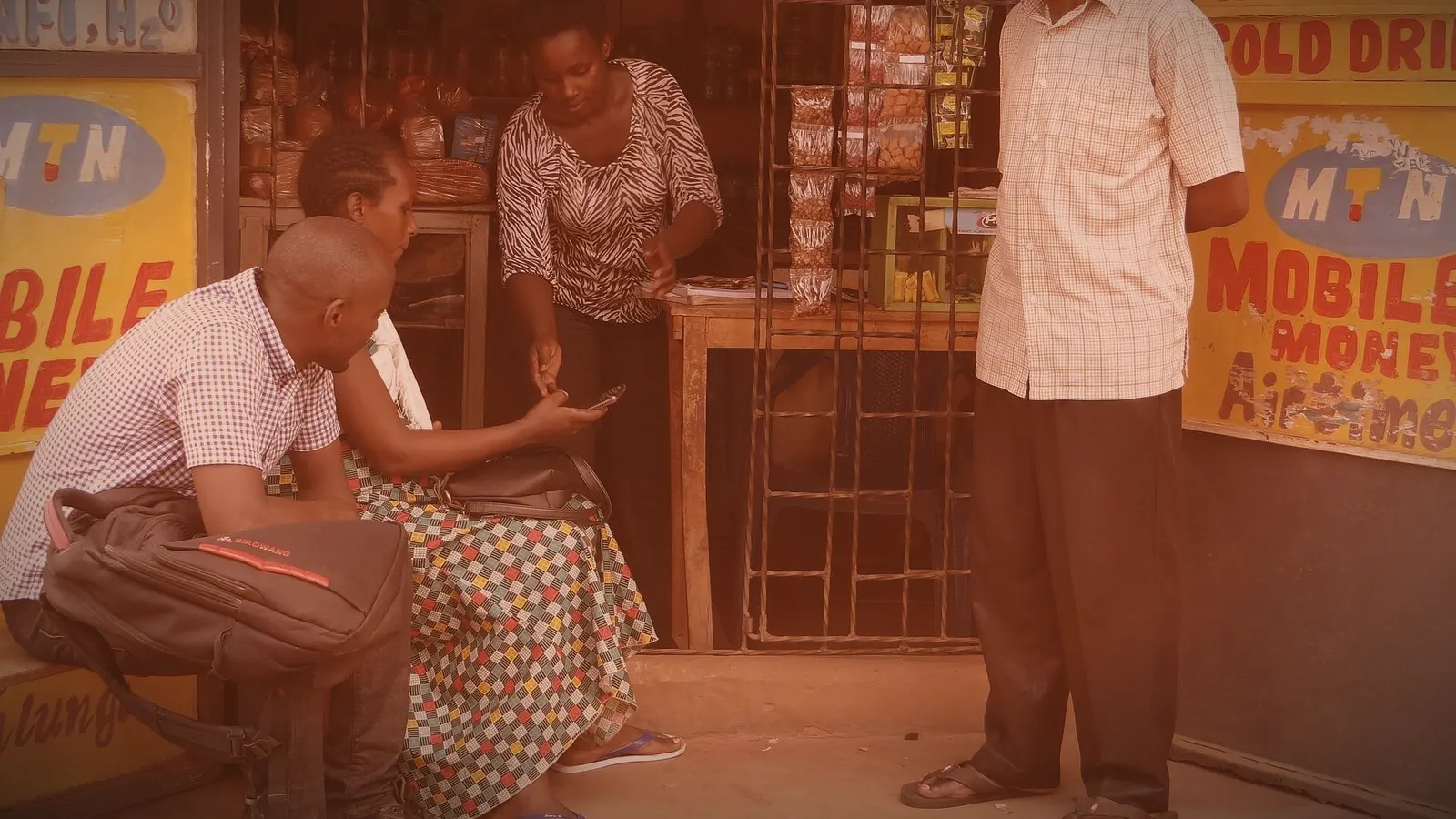
The Central Bank of West African States (BCEAO) has announced a major reform of the mobile money sector across the eight countries of the West African Economic and Monetary Union (WAEMU). From November 2, 2026, all interoperable transactions must pass through the central bank's instant payment platform, the PI-SPI. According to TechCabal, this measure makes small peer-to-peer transfers free, while larger transactions will be capped at a 0.8% fee.
Launched on September 30, 2025, the PI-SPI had 175 participants and over 38 million users one year later. This new pricing structure replaces the old system, which limited the number of free transactions per month. From now on, the criteria will be based on the amount sent. A user will be able to transfer up to 8,000 FCFA per day for free, totaling 240,000 FCFA per month, a significant threshold relative to the guaranteed minimum interprofessional wage in the region.
However, this decision excludes several services from this free status, such as agent withdrawals, merchant payments, and bill payments, leaving operators with pricing freedom in these segments. In 2025, the electronic money sector in the Union generated a cumulative net profit of 16.9 billion FCFA. With this new constraint on transfer revenue, operators might be tempted to increase physical withdrawal fees to compensate for their margins.
Centralizing flows on the PI-SPI aims to strengthen financial inclusion and provide better visibility into transactions within the Union. However, the challenge remains the economic viability of the vast agent network, estimated at 1.83 million service points in 2025 according to the Banking Commission. Shifting toward digital merchant payments could be an alternative to maintain the system's balance in the face of these new regulatory requirements.
Our perspective
By establishing money transfers as a public service, the BCEAO is placing financial inclusion at the heart of West African economic sovereignty. This reform underscores the desire to protect the purchasing power of the most modest citizens while modernizing the continent's digital infrastructure. For Africans, this transition to a fully digital system is an essential step toward increased financial autonomy, provided that access to services remains equitable for all.
This article was written in French with the help of artificial intelligence from the sources cited below, then translated from French automatically. Read the original.